
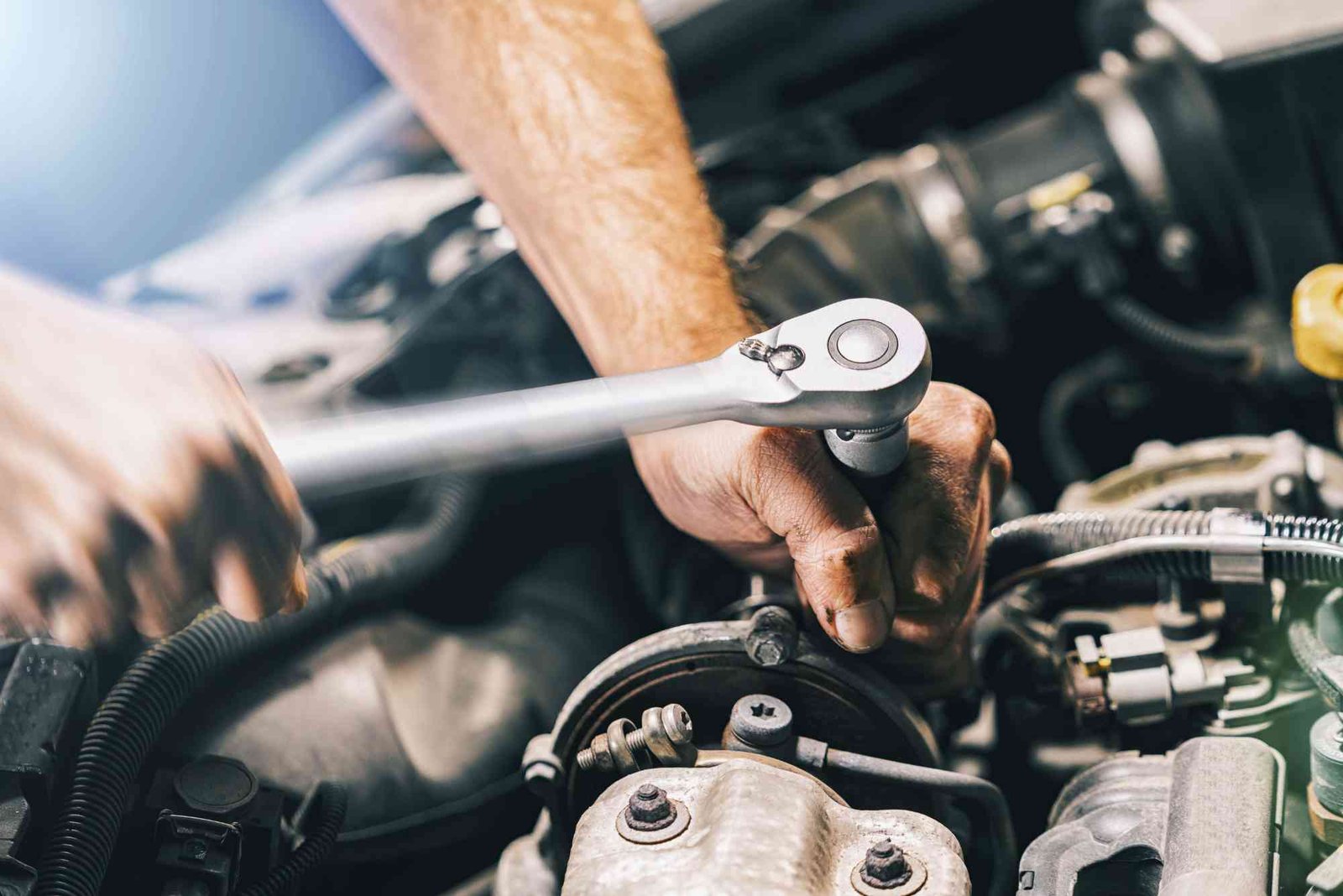

Car Service Intervals Explained for Petrol, Hybrid and Diesel Cars
Regular car servicing is essential for maintaining performance, safety, and longevity. Understanding car service intervals for petrol, hybrid, and diesel vehicles helps drivers prevent costly breakdowns and ensures their car operates at its peak efficiency. These intervals vary depending on the vehicle type, engine, and driving conditions, making it crucial to follow manufacturer recommendations and expert advice. A well-maintained car not only saves money on repairs but also retains its resale value over time.
Overview of German Experts Automotive Services
German Experts is a UAE-based automotive service brand specializing exclusively in European vehicles, including renowned German marques. Their workshops offer brand-specific diagnostics, repairs, servicing, vehicle inspections, and service and warranty contracts. By using manufacturer-standard tools and maintenance protocols, German Experts ensures that every car receives precise care tailored to European engineering requirements. Whether it’s routine servicing, complex repairs, or signing up for a warranty contract, the team provides expertise that meets and exceeds European vehicle standards. For professional care, services like car repair UAE and pre-purchase inspections under a warranty contract ensure peace of mind and optimal vehicle performance.
Understanding Petrol Car Service Intervals
Petrol cars typically have simpler engine designs compared to diesel engines. The service intervals for petrol vehicles often range between 10,000 to 15,000 kilometers or every 12 months, whichever comes first. Petrol engines benefit from less frequent oil changes due to cleaner combustion but still require periodic checks of filters, spark plugs, and fluid levels. Ignoring service intervals can lead to reduced fuel efficiency, engine overheating, or premature wear of components. Modern petrol cars with advanced electronics may also require software updates during routine servicing to maintain performance and emissions compliance.
Key Petrol Service Components
Spark plugs are crucial for efficient combustion and smooth engine operation. Air filters ensure clean airflow, preventing dirt and debris from damaging the engine. Engine oil and oil filters must be replaced regularly to reduce friction and wear. Brake fluid, coolant, and transmission fluid checks are also part of routine service intervals. Even if a petrol car seems reliable, adhering to these intervals prevents long-term engine issues and maintains the manufacturer’s warranty.
Diesel Car Service Intervals Explained
Diesel engines are more robust than petrol engines but are subject to higher compression and more complex fuel systems. Service intervals for diesel vehicles usually fall between 15,000 to 20,000 kilometers or every 12 to 18 months. Diesel cars require more attention to fuel system components, such as injectors and diesel particulate filters (DPF). Regular servicing ensures that these components function properly and prevents issues like clogging, poor acceleration, or excessive emissions. Diesel engines also rely on regular oil changes and coolant checks to withstand higher operating temperatures and compression pressures.
Diesel Engine Maintenance Focus
One critical aspect of diesel maintenance is the diesel particulate filter, which traps harmful soot particles. Neglecting service intervals can lead to DPF blockages, resulting in costly repairs. Turbochargers, which are common in modern diesel cars, require timely oil and system checks to maintain efficiency. Fuel filters, glow plugs, and emission control systems also demand regular inspection. Service intervals are designed to address these specific needs, ensuring reliability and compliance with UAE emission regulations. Following these schedules also protects resale value and reduces long-term repair costs.
Hybrid Car Service Intervals
Hybrid vehicles combine petrol or diesel engines with electric motors, offering unique maintenance requirements. Hybrid car service intervals are usually longer for the internal combustion engine due to reduced engine running time, often around 15,000 kilometers or annually. However, hybrid systems require additional checks for the battery, electric motor, cooling system, and regenerative braking components. Hybrid batteries typically need less frequent servicing, but their health should be monitored through manufacturer-recommended diagnostic checks. Neglecting hybrid service intervals may lead to reduced fuel economy, lower battery efficiency, or costly repairs.
Hybrid Maintenance Highlights
Battery management is critical for hybrid vehicles, as the lithium-ion or nickel-metal hydride cells need regular checks to prevent capacity loss. Electric motors, inverters, and cooling systems should be inspected to ensure proper performance and longevity. Brake systems in hybrids experience less mechanical wear due to regenerative braking but still require fluid and pad inspections. Engine oil, filters, and transmission components follow conventional intervals, similar to petrol or diesel cars. Proper adherence to these hybrid service schedules ensures optimal energy efficiency and overall vehicle reliability.
Factors Affecting Car Service Intervals
While manufacturer guidelines provide a baseline, several factors influence service intervals. Driving conditions, such as frequent short trips, stop-and-go city traffic, or extreme heat, can shorten the recommended service periods. Cars regularly driven in dusty environments may require more frequent air filter changes, while stop-and-go urban driving stresses brakes, fluid, and battery systems. Towing, heavy loads, and extended highway driving also affect wear and tear, meaning that car owners should adjust service intervals according to their usage patterns. Ignoring these conditions can lead to unexpected repairs and diminished performance.
Signs It’s Time for Car Servicing
Even when following intervals, monitoring your vehicle for early warning signs is important. Common indicators include unusual engine noises, warning lights on the dashboard, reduced fuel efficiency, brake squeaks, and vibration during acceleration. Hybrid cars may show electric system alerts, while diesel cars might emit black smoke or have sluggish performance. Recognizing these signs early allows timely servicing, preventing major repairs and maintaining your car’s reliability. Professional workshops, like German Experts, provide comprehensive diagnostics that identify issues before they escalate.
The Role of Professional Workshops
For European vehicles, especially German brands, professional servicing is essential. Expert workshops provide specialized tools, diagnostic software, and manufacturer-standard procedures. Using trained technicians ensures that complex systems, such as turbochargers, hybrid inverters, and emission controls, are maintained correctly. Choosing a reputable service center guarantees that each component is handled precisely, avoiding costly mistakes. Whether it’s routine oil changes, brake servicing, or a full inspection under a warranty contract, skilled technicians maintain your car’s performance, safety, and resale value. Services like car repair UAE provide tailored solutions for European vehicles, ensuring they meet exact manufacturer standards.
Maximizing Vehicle Longevity Through Timely Servicing
Regular service intervals significantly impact vehicle longevity. Engines operate efficiently when lubricated with clean oil, filters are replaced on schedule, and electronic systems are updated. Diesel and hybrid cars particularly benefit from adhering to their unique maintenance schedules. Preventive maintenance reduces the likelihood of engine failures, turbocharger issues, and battery degradation. Over time, consistent servicing also improves fuel efficiency, reduces emissions, and maintains the reliability and safety of the car. Investing in professional service and following manufacturer guidelines is a cost-effective strategy for long-term car ownership.
Conclusion
Understanding car service intervals for petrol, diesel, and hybrid vehicles is key to protecting your investment. Following recommended schedules ensures optimal performance, fuel efficiency, and longevity. Factors like driving conditions, engine type, and vehicle usage patterns influence how often your car should be serviced. European vehicle owners, in particular, benefit from specialized workshops that provide expert diagnostics and maintenance. German Experts offers services tailored to European cars, from routine car repair UAE to pre-purchase inspections and warranty contract solutions. Consistent servicing ensures peace of mind, safety, and a vehicle that performs like new for years to come. Book your next service today and maintain your car’s excellence.
Discover the latest insights, tips, and guides on a variety of topics at BBC Blog. Whether you’re looking for expert advice, trending news, or practical how-tos, our platform brings you quality content to stay informed and inspired. Visit us today and explore more!