

For anyone passionate about treasure hunting or gold prospecting, the terms “gold scanner” and “gold detector” often appear side by side. At first glance, they may seem interchangeable, but in reality, they serve different functions and suit different types of users. Understanding their distinctions is essential for choosing the right device, whether you’re an amateur hobbyist or a professional hunter aiming for maximum depth and accuracy.
Having tested and researched these technologies across various terrains, I’ve seen how hunters sometimes overestimate one tool while underestimating the other. By exploring their differences, we can make more informed decisions and avoid costly mistakes.
Understanding the Role of a Gold Scanner
A gold scanner is designed to provide detailed imaging of underground targets. Unlike a traditional detector that mainly signals the presence of metal, scanners create a visual map that shows the size, depth, and shape of what lies beneath the surface. This makes them invaluable for professionals who need precision and a clear understanding of what they are excavating before breaking ground.
Scanners are particularly helpful in archaeological projects, professional surveys, and deep exploration. By presenting a 3D view, they reduce the guesswork and prevent unnecessary digging. However, scanners are typically more complex and require some training to interpret the data effectively.
What Makes Gold Detectors Different?
Gold detectors, on the other hand, are built to identify metals by emitting signals when they detect conductivity changes underground. They excel at identifying nuggets, coins, and metallic relics in both shallow and moderately deep locations.
Detectors are often lighter, simpler to operate, and more affordable compared to scanners. This makes them perfect for hobbyists and beginners who want to start treasure hunting without dealing with advanced software or imaging systems. While they don’t provide the same level of visualization as scanners, detectors remain indispensable tools for quick and reliable searches.
Choosing the Right Tool for Your Needs
The choice between a gold scanner and a gold detector largely depends on your goals. If your aim is casual exploration or finding surface-level nuggets, a detector is more than sufficient. But if you are a professional seeking deeper targets, detailed analysis, or working in archaeological contexts, a scanner is the smarter investment.
Many seasoned hunters actually use both. Detectors help sweep large areas quickly, while scanners provide precise data for selected hotspots. This combination ensures no opportunity is missed, and time is spent efficiently.
Spotlight on Primero: A Multi-System Solution
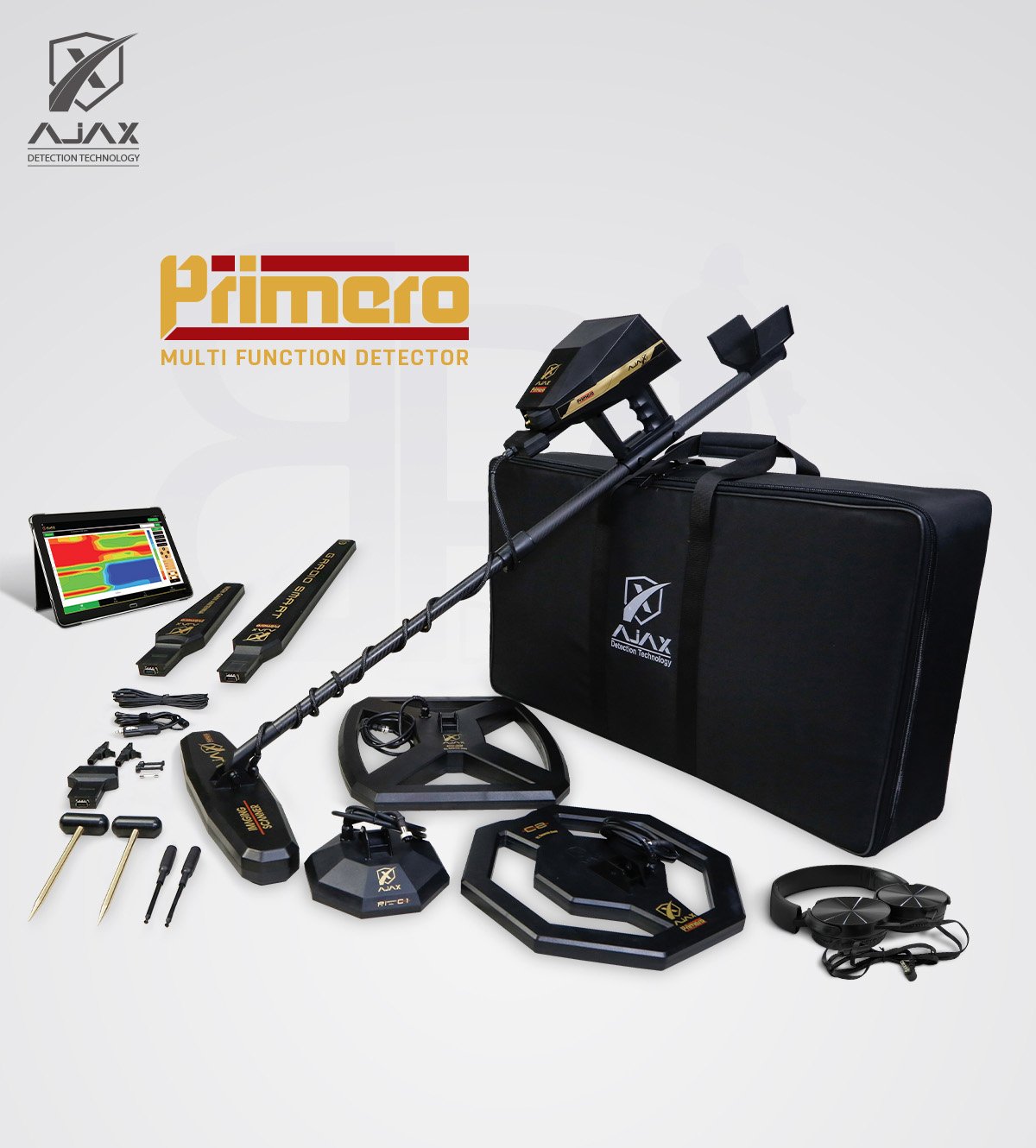
One of the standout products that bridges the gap between these two categories is the Primero. This advanced device integrates nine systems in one, including long-range detection, ionic systems, and ground scanning technology.
Primero gives users the ability to detect gold, precious metals, voids, and even underground water sources. What makes it particularly impressive is the inclusion of 3D imaging features usually reserved for high-end scanners, alongside the practical functions of a detector. For professionals who want versatility in one machine, Primero is an ideal choice.
From my perspective, Primero is especially useful for treasure hunters who travel across different regions and face varying terrains. Its adaptability means you don’t have to carry multiple machines—everything is consolidated into a single device. That combination of convenience and performance is why it’s highly respected in the industry.
Real-World Applications
In field tests and case studies, gold scanners have proven effective in avoiding wasted excavation efforts. For instance, when prospectors dig based only on a detector’s signal, they sometimes find small pieces of scrap metal or mineral interference. A scanner reduces these false positives by showing the actual structure underground.
Meanwhile, detectors shine in fast-moving hunts where covering ground quickly is the priority. Many hobbyists who search beaches or shallow rivers rely on detectors to locate targets efficiently.
Combining these approaches, or opting for a hybrid machine like Primero, ensures maximum efficiency and results. This versatility is one reason professional hunters often invest in both systems or in advanced tools that combine them.
Why the Difference Matters
Understanding the difference between scanners and detectors prevents disappointment and wasted investment. I’ve spoken with hunters who bought scanners expecting them to work like detectors, only to find the learning curve daunting. Others purchased detectors when what they really needed was the imaging capability of scanners.
By being clear about what each device does best—detection vs. visualization—you can align your choice with your goals. This clarity not only improves your success in the field but also makes treasure hunting a more enjoyable and rewarding experience.
Final Thoughts
So, what is the real difference between a gold scanner and a gold detector? Simply put, scanners provide a detailed underground map, while detectors give reliable signals about the presence of metal. Both have their place in the treasure hunter’s toolkit, and choosing the right one depends on your experience level and objectives.
If you’re serious about professional hunting, tools like the Primero offer the best of both worlds, combining detection, scanning, and multi-system versatility into one machine. Ultimately, the key to success lies in matching the right tool to your specific needs and being willing to invest in quality equipment that won’t let you down in the field.