

Introduction
In recent years, bone broth has made a remarkable comeback in kitchens around the world. Once considered a humble household staple, it is now celebrated for its nutritional value, depth of flavor, and versatility in cooking. Many health-conscious people turn to packaged broths or supermarket shelves to find it, but those who truly value quality know that the best place to start is their local butcher shop. A butcher understands the importance of sourcing, preparation, and freshness — the key elements that transform a simple broth into a nutrient-rich powerhouse.
This article explores why visiting a butcher shop can make all the difference when you want to create the perfect pot of bone broth. We’ll cover what bone broth really is, its health benefits, how butchers ensure quality bones, and tips for making broth at home that rivals gourmet kitchens.
What Exactly Is Bone Broth?
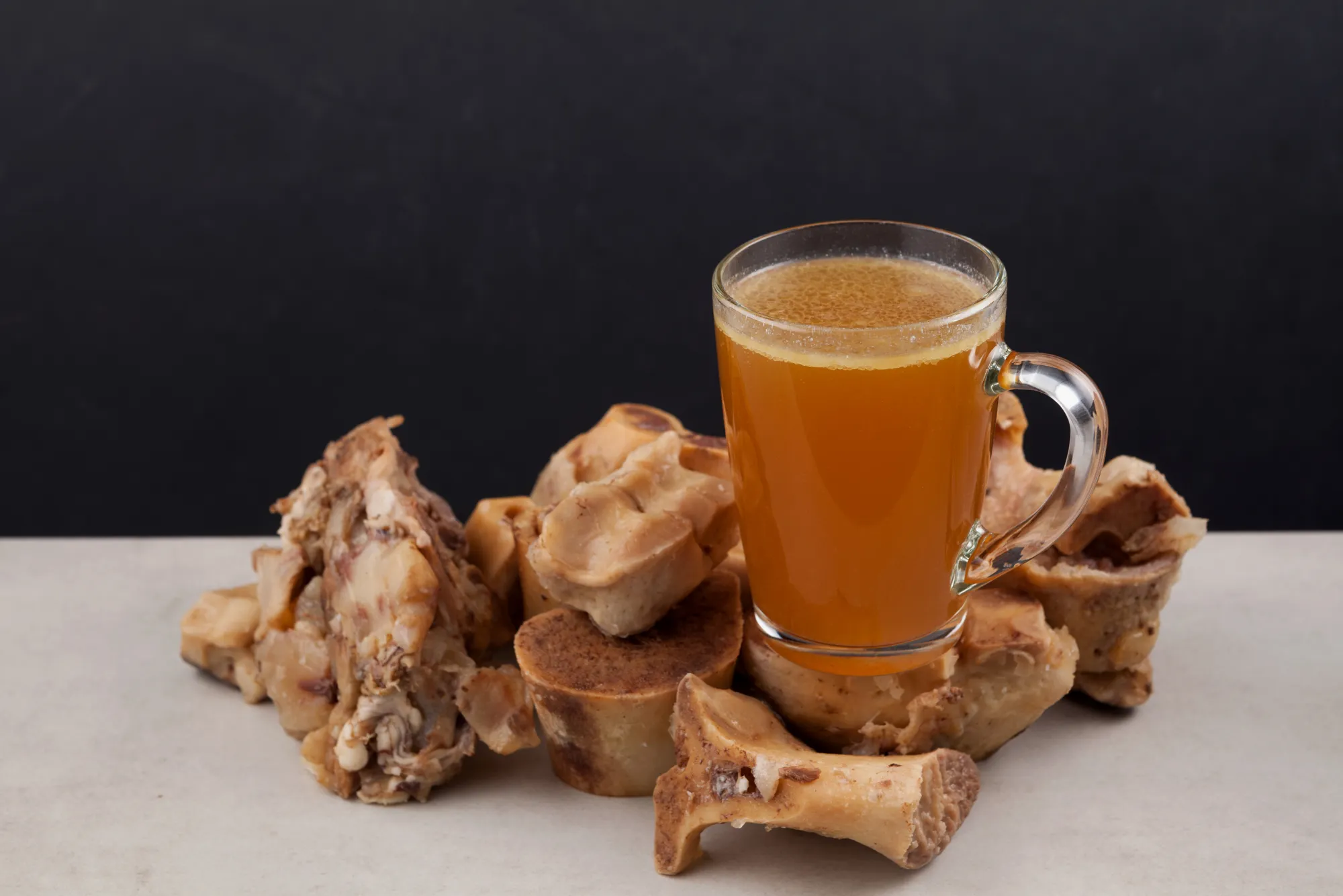
Bone broth is a slow-simmered liquid made from animal bones, connective tissue, and sometimes meat scraps. Unlike regular stock, which may cook for only a couple of hours, bone broth is simmered for anywhere between 12 and 48 hours. This extended cooking time allows the minerals, collagen, and amino acids to extract from the bones, creating a nutrient-dense liquid.
The process is simple: bones are roasted or used raw, then simmered with water, vegetables, and herbs. Over time, the marrow, gelatin, and minerals infuse the broth, creating both rich flavor and significant nutritional benefits. While it may sound easy to replicate, the quality of the bones you start with plays a vital role in the end result.
Why a Butcher Shop Is the Best Source for Bones
Walking into a butcher shop offers a different experience compared to pulling pre-packaged bones from a supermarket freezer. Here’s why:
1. Freshness and Sourcing
Butchers typically work directly with local farms and suppliers, which means the meat and bones they provide are often fresher and traceable. You can ask where the animal was raised, how it was fed, and whether it was grass-fed or grain-finished. These details can impact both the flavor and nutritional content of your bone broth.
2. Custom Cuts
Unlike a supermarket, where choices are limited, a butcher can provide specific cuts suited for broth. Marrow bones, knuckle bones, and joints are rich in collagen and nutrients. A butcher can even cut bones to size, ensuring they fit perfectly in your stockpot.
3. Expert Guidance
Butchers are professionals with a deep knowledge of meat. They can advise you on the right combination of bones — for example, mixing beef marrow bones with knuckle bones for maximum flavor and gelatin. They can also suggest how to roast the bones or which herbs pair best with different types of broth.
Nutritional Benefits of Bone Broth
Bone broth has become a wellness trend for good reason. When made with high-quality bones from a butcher shop, the benefits multiply. Some of the key nutritional advantages include:
-
Collagen and Gelatin: Supports skin health, joint mobility, and gut health.
-
Minerals: Calcium, magnesium, phosphorus, and potassium leach into the broth.
-
Amino Acids: Glycine and proline aid in muscle repair and digestion.
-
Immune Support: Warm, nutrient-rich broth provides comfort during illness and helps restore energy.
This combination makes bone broth more than just a cooking ingredient — it’s a functional food that supports overall wellness.
The Flavor Advantage
A broth made with carefully sourced bones from a butcher shop doesn’t just deliver nutrition; it offers unmatched depth of flavor. Marrow bones create richness, knuckle bones add body, and meaty bones bring savory complexity. When simmered slowly, these components come together into a broth that enhances soups, stews, sauces, and even standalone sipping.
Supermarket versions often lack this depth because they’re made quickly, sometimes with added flavorings instead of patiently extracting the natural goodness from real bones.
Tips for Making Bone Broth at Home
If you’ve secured fresh bones from your local butcher, the next step is crafting your broth. Here are a few professional tips:
-
Roast your bones first: Roasting at 400°F for 30–40 minutes adds a deeper, caramelized flavor.
-
Add acidity: A splash of apple cider vinegar helps extract minerals from the bones.
-
Simmer low and slow: Avoid boiling; gentle simmering over 12–24 hours ensures clarity and maximum nutrient extraction.
-
Skim impurities: Occasionally skim the foam for a cleaner broth.
-
Mix bone types: Combine marrow, knuckle, and meaty bones for a balance of richness and collagen.
Beyond the Kitchen: Everyday Uses for Bone Broth
Bone broth isn’t just a base for soups. Here are some everyday ways to incorporate it:
-
Morning drink: Replace coffee with a warm cup of bone broth for steady energy.
-
Cooking grains: Use broth instead of water to cook rice or quinoa for enhanced flavor.
-
Sauce base: Deglaze pans with broth for richer gravies and sauces.
-
Health routine: Athletes often sip broth for joint support and muscle recovery.
Its versatility makes it an easy addition to a healthy lifestyle.
Supporting Local Butchers and Sustainable Eating
Choosing a butcher shop over a supermarket has benefits that go beyond your own kitchen. It supports small businesses, often promotes ethical farming practices, and reduces waste. Many butchers use the whole animal, which means bones that might otherwise be discarded are put to nourishing use. This not only respects the animal but also supports a more sustainable food chain.
Bone Broth as a Growing Trend
From high-end restaurants to wellness cafes, bone broth is no longer considered old-fashioned. Its popularity is surging among health enthusiasts, chefs, and even fitness communities. Some butcher shops now prepare ready-to-drink broth, while others offer special packs of broth-friendly bones for customers to cook at home.
The renewed demand also highlights the importance of traditional cooking practices — slow preparation, whole-food ingredients, and respect for where food comes from.
Conclusion
Bone broth is much more than a culinary trend. It’s a time-tested food that combines nourishment, flavor, and versatility. And the journey to making a great broth begins at your local butcher shop, where you can find the freshest, highest-quality bones and expert advice. Whether you’re sipping it daily for health benefits or using it to elevate your cooking, starting with the right bones makes all the difference.
So, the next time you’re planning a pot of bone broth, skip the supermarket aisle and head to your trusted butcher. You’ll not only enjoy richer flavor and better nutrition but also support sustainable and local food traditions.